
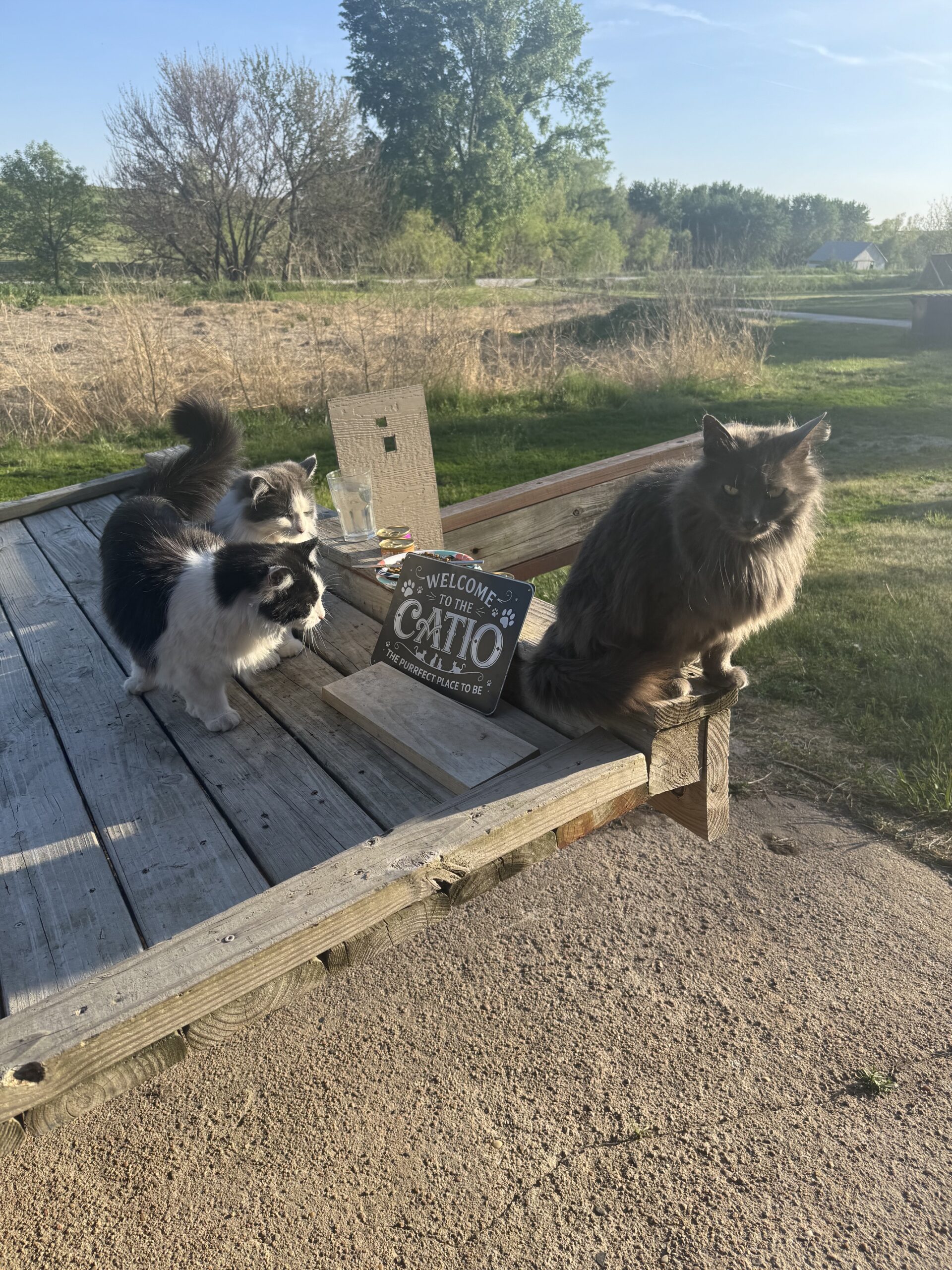
Give Your Feline Fresh Air: The Complete Guide to Building a Cat-Safe Outdoor Space
Your cat stares out the window, tail twitching, watching a bird land on the fence. You see that longing—the instinct to hunt, explore, and feel the breeze through their whiskers. But you also know the dangers: cars, predators, toxic plants, and the risk of your cat simply wandering off. The good news? You don’t have to choose between a bored indoor cat and a risky outdoor one. You can give them the best of both worlds with a carefully planned cat-safe outdoor space.
Whether you own a house with a yard or live in an apartment with a balcony, this guide will walk you through every step of creating an enclosure your cat will love—and you can trust.
What You’ll Need Before You Start
Before you buy supplies or swing a hammer, gather these essentials. Having everything ready prevents frustrating mid-project trips to the hardware store.
- Measuring tape – You need exact dimensions of your balcony, patio, or yard area.
- Cat-safe enclosure materials – Heavy-duty wire mesh (1” x 1” or smaller), PVC-coated hardware cloth, or cat-specific netting (avoid standard chicken wire—cats chew through it).
- Frame materials – Pressure-treated wood, aluminum poles, or PVC pipes depending on your space.
- Fasteners – Zip ties, stainless steel screws, carabiners, or turnbuckles.
- Shelving or perches – Floating shelves, cat trees, or wooden planks for climbing.
- Shade solution – Outdoor fabric, bamboo blinds, or a tarp to create cool spots.
- Cat-safe plants – Catnip, cat grass, valerian, or spider plants (avoid lilies, sago palm, and azaleas).
- Escape-proof door – A secondary door or zippered entrance to prevent bolting.
Step 1: Assess Your Available Space and Your Cat’s Personality
Every cat is different. Your lazy senior tabby might just want a sunny perch, while your Bengal kitten needs a jungle gym. Start by honestly evaluating both your space and your cat.
Space Options
Balcony or patio – Ideal for apartment dwellers. You’ll enclose the entire structure with mesh or build a window-box catio that sits on a sill.
Yard corner – Use a freestanding catio kit or build a fully enclosed run along a fence line.
Window mount – A small box-style enclosure that hangs out a window. Affordable and quick, but limited space.
Cat Considerations
Does your cat jump like a gazelle? They can clear six feet from a standstill. Are they a digger? You’ll need to reinforce the bottom. Do they panic when the mail truck rumbles by? Place the enclosure away from street noise. Think about their fears and habits—this space is for them, not for your landscaping aesthetic.
My own cat, a rescue named Mochi, is a climber but terrified of loud noises. I placed her catio against a quiet brick wall and added vertical shelves she can race between. She uses it every single morning.
Step 2: Choose Your Enclosure Style
You have three main routes. Pick based on your budget, skill level, and space.
Option A: DIY Catio from Scratch
Best for: Handy owners with a yard or large patio.
Cost: $100–$400 depending on size.
Build a wood frame, attach hardware cloth, and add a roof. This is the most customizable option. You control every inch of the design—add tunnels, bridges, or even a small greenhouse section.
Option B: Prefab Catio Kit
Best for: People who want a weekend project, not a summer-long build.
Examples: Aivituvin Catio Outdoor Cat Enclosure or Petsfit Catio with Shiplap Roof.
These come as flat-pack furniture. Expect decent quality, but always upgrade the included screws to stainless steel. Check reviews for escape stories—some kits have gaps at the corners that clever paws can slip through.
Option C: Window-Mount Box
Best for: Apartments and renters.
Products: Kitty Cot Window Perch Catio or GDLF Cat Window Box.
These attach to your window sill and fold up when not in use. They’re limited in space but give your cat that open-air feeling without you losing your security deposit.
Step 3: Build the Frame and Secure the Mesh
This is the most important step. A cat-safe outdoor space is only safe if it’s truly escape-proof. Cats are contortionists—they can fit through any gap bigger than their whiskers. Follow these rules.
For a Wooden Frame
Use pressure-treated lumber (cedar or pine). Cut your base, sides, and roof. Assemble with galvanized screws—regular ones rust within a year outdoors. Attach the hardware cloth using a staple gun every three inches, then fold the edges over a wooden batten to prevent sharp wire ends from cutting paws.
For a PVC or Metal Frame
PVC pipes lock together with corner joints. They’re lightweight and easy to disassemble for cleaning. The downside: they can become brittle in direct sun after two years. Upgrade to EMT conduit (thin-wall metal tubing) if you’re building a permanent structure.
Mesh Tactics
Never use plastic bird netting. Cats can and will chew through it. Use ½-inch or 1-inch galvanized welded wire. For the roof, step up to ¼-inch mesh if squirrels or raccoons are common in your area—they can tear through larger openings. Secure every seam with zip ties, then cut the tails flush so paws don’t snag.
Step 4: Create an Escape-Proof Entry and Exit
Your cat will try to bolt the moment you open the door. You need a double-door system. This is non-negotiable.
Build or install a small vestibule: two doors that cannot be open at the same time. The outer door leads to the yard, the inner door leads to your house. You step into the vestibule, close the outer door, then open the inner one. If your cat slips past you, they are still trapped in the enclosure.
If you’re using a window catio, install a zippered mesh door on the catio side. Unzip just enough to slide your cat in, then zip up before opening the window. Sounds fiddly? It takes ten seconds once you develop the habit.
Step 5: Furnish for Fun and Safety
A bare enclosure is boring. Your cat will just sit there and meow to come back inside. You want this space to be their second living room.
Vertical Space
Install shelves at different heights. Cats feel safest when they can survey their domain from above. Use heavy-duty L-brackets and marine-grade plywood (resists rot). Add a soft cushion or a woven basket on the top shelf.
Sun and Shade Balance
Place one or two shelves in full sun for basking. Cover at least 30% of the enclosure with a solid roof or shade cloth—cats can overheat faster than dogs, especially if they have thick coats. Add a small water dish in the shaded area.
Cat-Safe Plants
Grow cat grass in a heavy ceramic pot (lightweight pots get knocked over). Plant catnip in a hanging container so it trails down. Avoid all lilies (even pollen is toxic), azaleas, tulips, and sago palms. If you’re unsure, check the ASPCA toxic plant list before planting.
Step 6: Introduce Your Cat to the Space
Do not just plop your cat into the finished enclosure and close the door. That’s a recipe for a panicked cat who will never want to go back.
Start with the door open. Let your cat explore at their own pace while you sit nearby with treats. Spend ten minutes a day for the first week just hanging out there together. Put their favorite toy in the space. Feed them a meal inside the enclosure so they associate it with good things.
After they seem relaxed, close the door for five minutes while you stay inside. Gradually increase the time over two weeks. Only leave them unsupervised once they are confidently napping, playing, and acting like the space is theirs.
Common Mistakes That Make a Catio Unsafe
Even well-intentioned owners mess these up. Avoid them from day one.
Using the Wrong Mesh Size
Standard chicken wire has hexagonal gaps that are too large. Cats can push their heads through and get stuck, or they can wiggle their entire body through over time. Always use welded hardware cloth with openings no larger than 1 inch by 1 inch.
Ignoring the Digging Threat
If your enclosure sits on grass or dirt, your cat will dig under the walls. You need to line the bottom 18 inches of the frame with mesh that extends outward on the ground in an L-shape, then cover it with soil or pavers. This “apron” prevents tunneling escapes.
Forgetting Predators
In many areas, raccoons, coyotes, or loose dogs can attack a cat through thin mesh. Use heavy-gauge wire (16-gauge or thicker) for the entire structure. Check for loose connections monthly, especially after storms.
Overlooking Weather Protection
A sunburned cat is a miserable cat. Likewise, a cat trapped in a rainstorm with nowhere to dry off will resent the space. Build a waterproof corner—a small dog house or a simple sloped roof with a dry floor area.
Frequently Asked Questions
Is it cruel to keep a cat in a catio all day?
No, as long as the enclosure is large enough for exercise and the cat has enrichment (toys, perches, scratching posts, and shade). Most cats thrive on routine—an hour or two of outdoor time in a catio beats the boredom of a full indoor life. That said, never lock a cat in a catio for more than 4–6 hours without access to water, a litter box, and a comfortable resting spot.
Can I use a regular dog kennel for my cat?
You can, but expect gaps. Most dog kennels have bar spacing wide enough for a cat’s head. You’ll need to wrap the entire exterior in hardware cloth. Also, dog kennels typically lack a solid roof, so you’ll have to add shade and weather protection from scratch. It’s doable, but not recommended for a permanent setup.
How do I keep the catio clean?
Sweep or hose it down weekly. Use a pet-safe enzyme cleaner on any soiled areas. If you include a litter box inside (for all-day use), scoop daily. Place the enclosure on a slight slope so water drains away—standing water attracts mosquitoes and bacteria.
My cat is scared of the catio. What do I do?
Back up to Step 6. Don’t force it. Try placing a blanket that smells like you inside. Add a Feliway calming diffuser near the entrance. Leave the door open for a week. Some cats take a month to feel comfortable. If they never adjust, consider a different design—maybe a window perches are less intimidating than a full room.
Will a catio keep birds safe from my cat?
Birds can still land on the mesh, and your cat will still stalk and paw at them. However, because the cat cannot reach through the small mesh, birds are generally safe. For extra peace of mind, position the catio away from bird feeders and nest boxes.
Our Top Product Recommendations for a Cat-Safe Outdoor Space
If you prefer buying over building, these products have stood up well in real-world use over the past few years.
Best Prefab Catio for Small Spaces: Aivituvin Catio
Pros: Easy to assemble (about 2 hours with two people), includes a tar-paper roof, and has a real wood look that blends into a garden. The floor is elevated to keep cats dry.
Cons: The included mesh is slightly flimsy—buy a roll of 16-gauge hardware cloth and staple it over the existing mesh for extra security. Also, the latch on the door can pop loose in high winds; add a carabiner as a backup.
Best Window-Mount Catio: Kitty Cot Window Perch
Pros: Fits most double-hung windows, folds flat for storage, and includes a fleece pad. Very affordable (around $60).
Cons: Small—really only suitable for one cat. The mesh is polyester, not metal. It will work for a calm cat, but a determined chewer will destroy it in a month.
Best for Renters (No Drilling): MEOWFIA Catio with Suction Cups
Pros: Uses heavy-duty suction cups to attach to windows—no screws, no landlord complaints. The mesh is thick nylon, UV-resistant, and reinforced at seams.
Cons: Suction cups can fail in extreme heat (above 95°F). I recommend adding two safety straps just in case. Also, don’t expect your cat to jump around inside; it’s more of a lounger.
Best DIY Mesh Roll: Yardgard ½-Inch Hardware Cloth
If you are building from scratch, this is the mesh you want. Galvanized, welded, and rigid enough to resist raccoons. Sold in 50-foot rolls at most hardware stores. Pro tip: Wear heavy gloves when cutting it—the edges are sharper than you think.
Best Cat-Safe Outdoor Plant: Cat Grass Grow Kit
Wheatgrass seed kits (like Pet Greens or Handy Pantry) are cheap and grow in a week. Cats love nibbling the tender sprouts. Keep the pot in the shaded area of the catio so the grass doesn’t wilt by noon.
Maintaining Your Cat-Safe Outdoor Space
Once built, your catio isn’t maintenance-free. Check these things monthly:
- Mesh integrity – Look for rust spots, loose staples, or tears. A single hole is an escape route.
- Latch function – Locks and carabiners wear out. Replace every year.
- Wood condition – Re-stain or seal wood annually to prevent rot and splinters.
- Shade structure – Replace shade cloth if it becomes brittle or torn. UV damage happens faster than you think.
- Plant safety – Remove any plants that show signs of mold, pest infestation, or wilting. A sick plant can be a toxic plant.
If you live in a climate with heavy snow, either dismantle lightweight catios for winter or reinforce the roof to handle the load. A collapsed catio can seriously injure your cat.
Final Thoughts: A Gift of Freedom
Building a cat-safe outdoor space isn’t about caging your pet—it’s about expanding their world without expanding their risk. You are giving them fresh air, sunshine, and the sounds of the outdoors, all wrapped in a blanket of safety. The first time you see your cat stretch out on a sunny shelf, eyes half-closed, ears twitching at a distant bird, you will know it was worth every staple and every hour of work.
Start small if you need to. A window perch can be built in one afternoon. A full catio can take a weekend. Whatever you choose, your cat will thank you in slow blinks and purrs.
This page may contain affiliate links. We may earn a commission on qualifying purchases at no extra cost to you.
Leave a Reply